Success! The coupon code: {{coupon_code}} was succesfully applied!
Daryl Conner
Daryl Conner, MPS Meritus, CMCG has been devoted to making dogs and cats more comfortable and beautiful for 40 years. You can find her happily working at FairWinds Grooming Studio with her daughter or typing away at her latest grooming-related article. Daryl was awarded both a Cardinal Crystal Award and Barkleigh Honors Award for journalism. She shares her meadow-hugged antique Maine farmhouse with her practically perfect husband and a lot of animals.
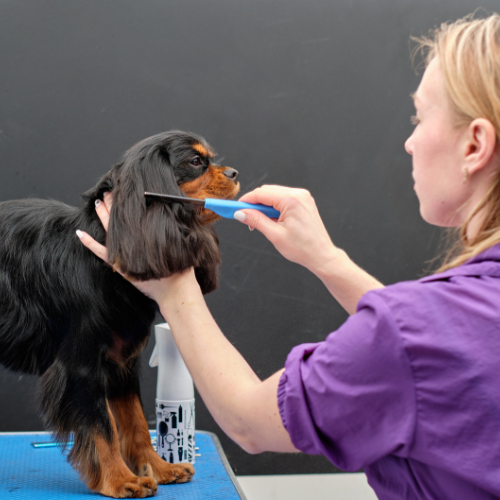
Cocker Spaniels are frequent visitors to grooming shops. Their dense coats require regular brushing, combing, and frequent trimming to keep their signature look. One reason this breed is so popular is that they have sweet-looking faces framed by long, luxurious ears. Here are some tips for keeping their ears looking the way they should:
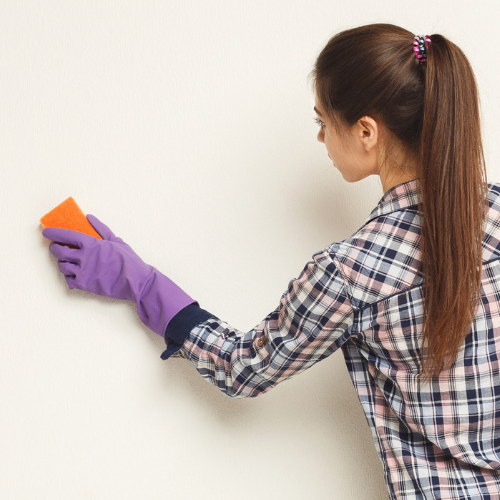
Have you checked on the condition of the walls in your grooming space lately? Chances are, they have some grime that needs attention. The walls in our grooming areas get blasted with moisture regularly, especially near the bathing and drying areas. Moisture captures dust, hair, and dander (so much dander), and it all sticks as the walls dry out again.
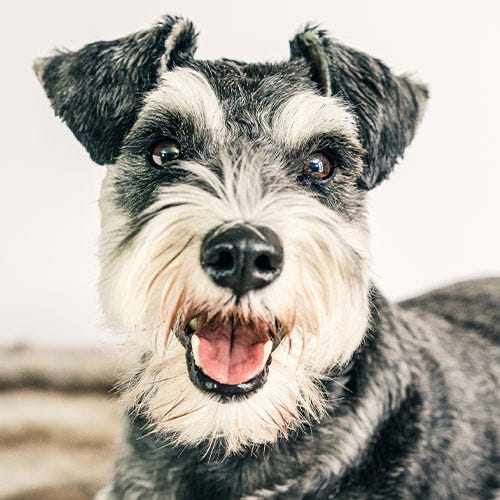
Pet schnauzers comprise a high percentage of dogs on many groomer's tables. These sturdy little terriers can be fun bread-and-butter dogs to style, but those signature eyebrows can be a little tricky to perfect.
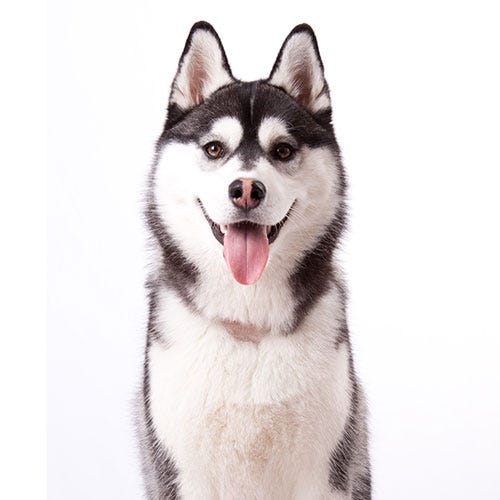
One of the things I love the very most about being a dog groomer is that there is always something new to learn. For instance, my co-worker recently said she had read something about dogs with triple coats. In this case, it was a Pomeranian being discussed. I was skeptical, so I visited the American Kennel Club website and looked at the breed standard for Pomeranians.
“How can I groom faster?” is a commonly asked question where groomers gather to chat. Here are a few tips to help you accomplish grooming tasks more swiftly.
In an ideal world, our customers would bring us sweet, wriggling puppies and allow us to groom their pets until they die at an advanced age. The dog would be used to us and how we handle it for grooming, and we would be used to the dog and its behavior. Customers would appreciate how we make their pet look and smell and never forget to tip. But it's not an ideal world, and the above scenario is not the norm.
Bosco is a spaniel mix with a dense coat and thick, squishy lips. He’s a fun dog to groom, happy and tail wagging from when he arrives until he struts out the door. But today, when you gently hold his face so you can clip his head, he violently jerks away from you. You give him a pat and tell him you are sorry, then try again. He makes it very clear that he does not want you to touch his muzzle. This behavior is unusual for Bosco, so now what?
Using courtesy in your business is a way of showing respect to your customers or potential customers. In a post-Covid world, many people have experienced less courtesy than we remember having in the past. In the grooming industry, there are some simple steps to ensure you are offering the people who reach out to you the kind of courtesy that will make them feel good about you and your business practices.
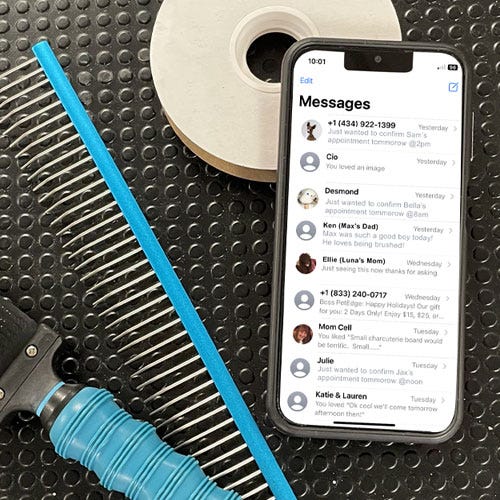
Do you prefer that your customers contact you via telephone, text, or a messaging platform? Increasingly, groomers are giving up the standard phone call in preference for messaging. The benefits are as follows:
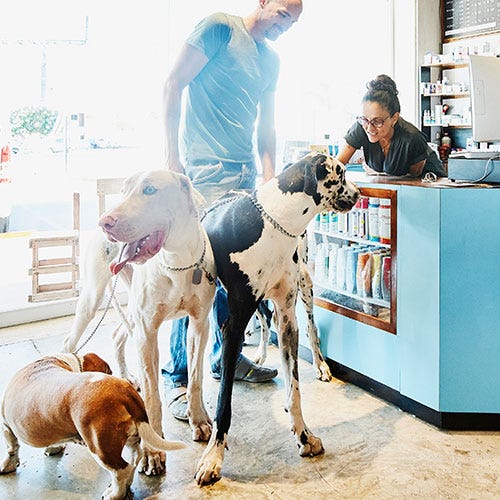
When we bought our current home twenty years ago, I visited the local hardware store the first week to stock up on various little things I needed after moving cross-country. I struck up a conversation with the guy at the checkout counter. He introduced himself as the store owner and asked my name. A week later, I popped in to buy something else, and as soon as I walked in the door, he called out, "Hi, Daryl!" I was shocked and delighted that he remembered me. From that day on, if I had a choice between shopping at the local big box hardware store or where they knew my name, guess which place I chose? Following, you will find five simple ways to make your customers feel appreciated.